Breed overview
Breeds that often suit families
Breed tells you about tendencies, not guarantees. Use this page to narrow the field, then judge the individual dog in front of you.
How to read breed information
The figures below are typical ranges for adult dogs and come from published breed references. Individual dogs vary, so treat them as a starting point. Lifespans are averages reported in recent studies and differ by bloodline, so ask the seller about the family history of the dog you are considering.
| Breed | Height | Weight | Typical lifespan |
|---|---|---|---|
| German Shepherd | 22 to 26 in | 49 to 88 lb | About 10 to 11 years |
| Rottweiler | 22 to 27 in | 77 to 132 lb | Roughly 8 to 10.5 years |
| Doberman | 25 to 28 in | 70 to 100 lb | Roughly 8 to 11 years |
| Giant Schnauzer | 23.5 to 27.5 in | 55 to 85 lb | Roughly 12 to 15 years |
| Belgian Malinois | 22 to 26 in | 45 to 65 lb | About 12 years in a recent UK study |
The breeds in plain language
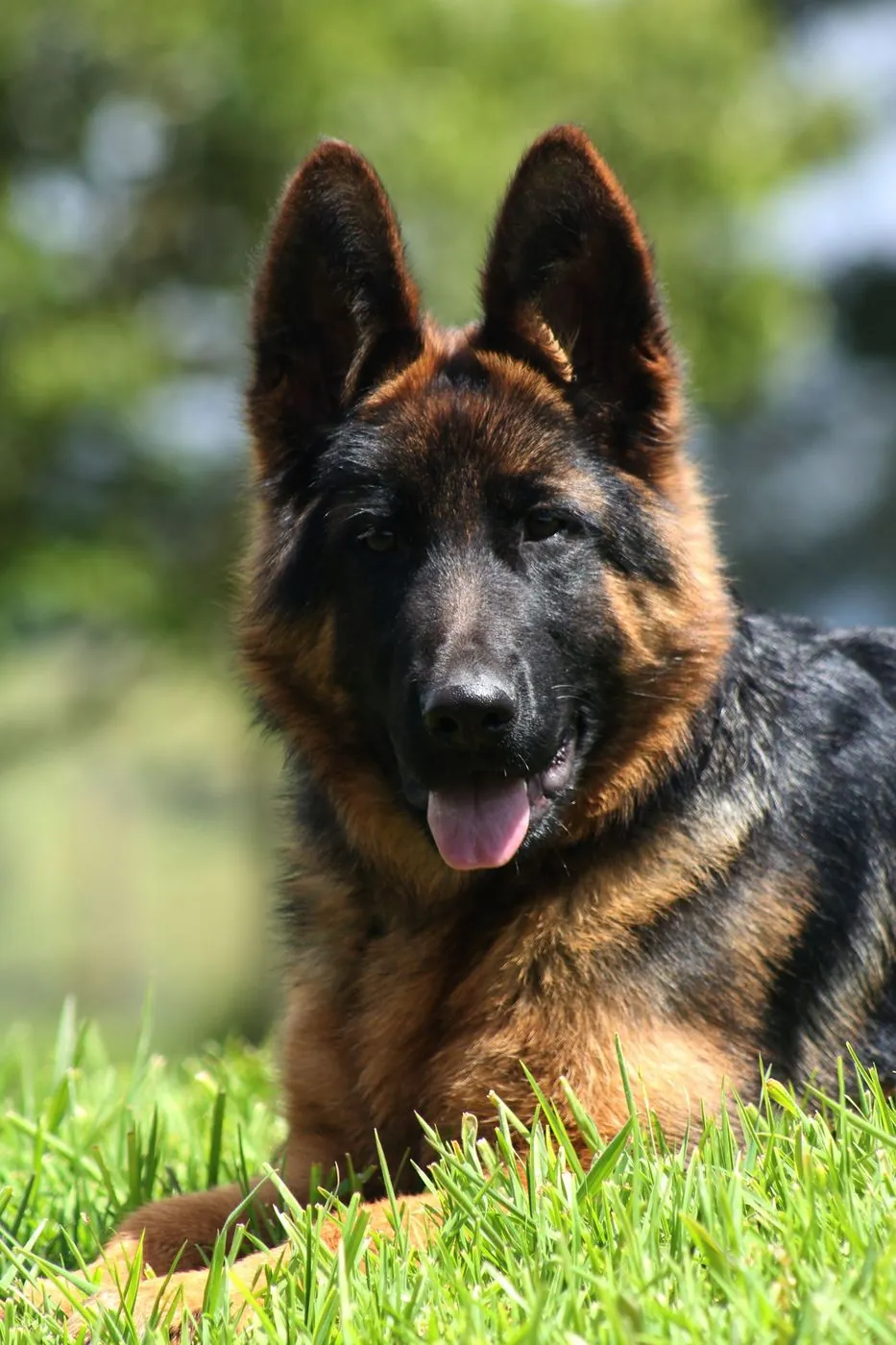
German Shepherd
A versatile herding breed developed in Germany from 1899. Often watchful with strangers and devoted to its people. Lines vary a lot, so the individual dog matters more than the label.
Rottweiler
A guardian and drover breed from Rottweil, Germany. Heavily built and confident, usually calmer than the high-drive herding breeds, and needs firm, fair handling from an experienced owner.
Doberman
A guardian breed from Apolda, Germany, bred from about 1890. Lean, quick and very attached to its family. Many dislike being left alone for long stretches.
Giant Schnauzer
A working breed from Bavaria used for herding, guarding and police work. Needs regular coat care and a lot of mental activity.
Belgian Malinois
A Belgian herding breed with very high energy. Many families find it more than they bargained for, so it tends to suit experienced, active households only.
Matching a breed to your home
- Smaller house or apartment: think hard about exercise. A dog that cannot burn off energy will find ways to do it indoors.
- Young children: favor steadiness over intensity, and supervise every interaction.
- First large dog: choose a professional who will coach you, not just sell you a dog.
- Hot climate or cold climate: coats and body types differ, so plan for weather.
For the legal and insurance side of owning one of these breeds, see fences, insurance and rules.
Quick answers
Which breed is best for a family?
There is no universal winner. The best fit depends on your home, your children, your experience and the individual dog. Ask a professional to explain why they would suggest a particular dog for you.
Are mixed-breed dogs ever sold as protection dogs?
Sometimes, but the temperament is harder to predict. Ask for the background, any testing, and how the dog behaves in new places.
Ready to talk about your household?
Share a few details and we will route your request to a professional who handles family-level protection dogs where you live.